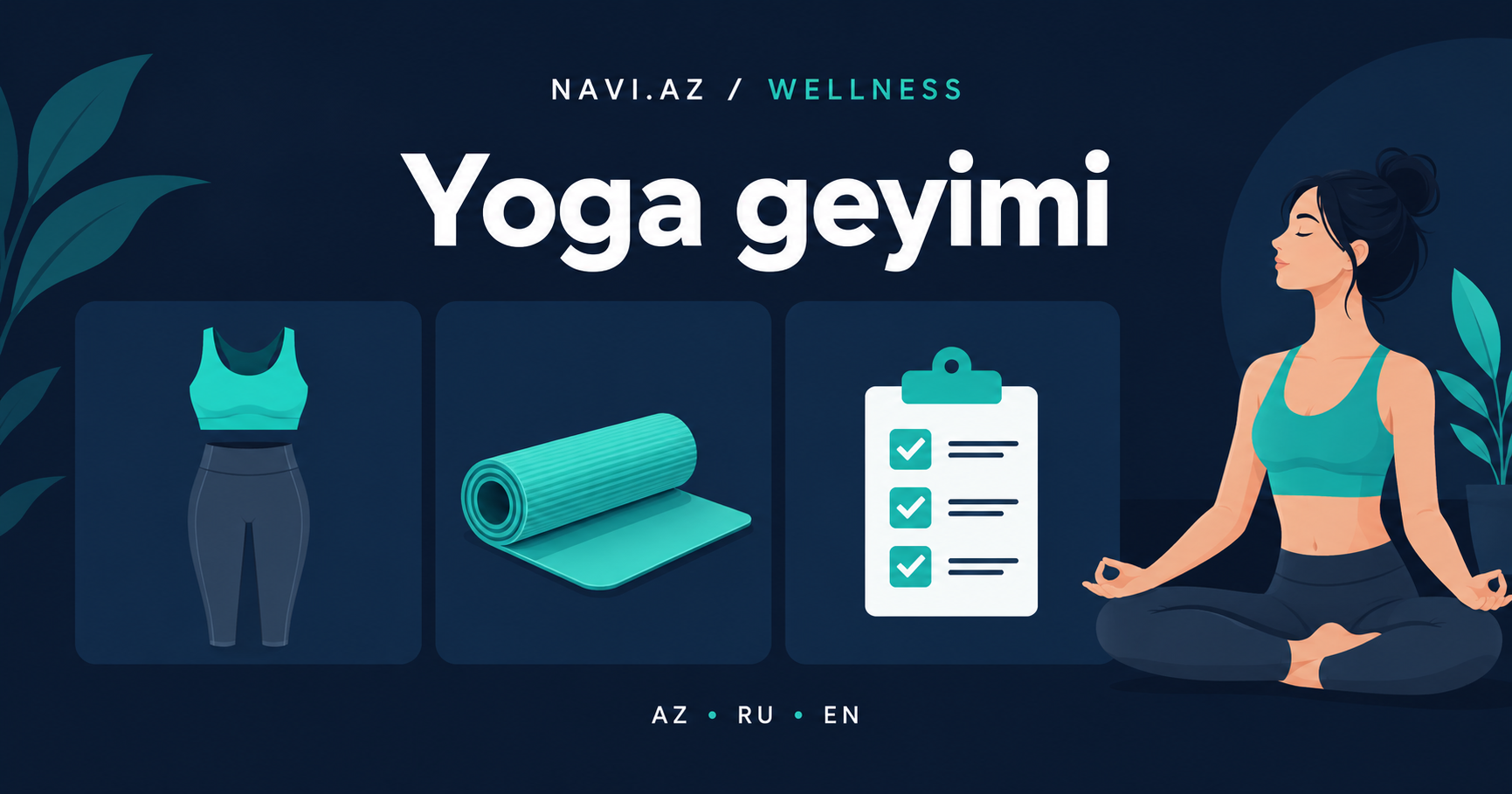
A lot of first-timers wonder what they're actually supposed to wear to a yoga class. You don't need expensive gear, but the right clothing choice makes a real difference in comfort and range of motion. Here's what's worth thinking about before your first session.
The main rule: freedom of movement
Many yoga poses require a wide range of motion, so clothing shouldn't pinch or restrict anywhere. Overly loose clothing isn't ideal either - it can get in the way or flip over your face during certain poses. Fitted but stretchy fabric tends to work best.
Why fabric choice matters
Yoga is physical activity, so sweating is part of it. Breathable synthetic fabrics that wick moisture quickly (often blended with spandex) are more comfortable than cotton, which gets heavy and clings to the skin once it's damp.
What to wear on top and bottom
Top: a fitted tank or lightweight t-shirt that doesn't restrict movement
Bottom: leggings or stretchy athletic pants, comfortable during forward folds and bends
Support: a sports bra matters for comfort, especially in more active classes
Do you need shoes
Yoga is usually practiced barefoot - it helps with balance and grip on the floor. Regular socks are best avoided, since they make it easy to slip on the mat. If your feet get cold, grippy yoga socks are a good alternative.
Small accessories worth having
A hair tie, a small towel for sweat, and a water bottle come in handy during class. If it's your first time at a studio, it's worth calling ahead to ask about any dress expectations - Yoga Baku, for example, is happy to advise newcomers on what works best and can lend extra gear if needed.
FAQ
Is cotton clothing okay for yoga?
It works fine for lighter sessions, but breathable synthetic fabrics are more comfortable for more intense classes.
Can I wear sneakers to a yoga class?
Usually not - classes are typically done barefoot or in special grippy yoga socks.
Is a sports bra necessary?
Not strictly, but it adds comfort and support during more active sessions.