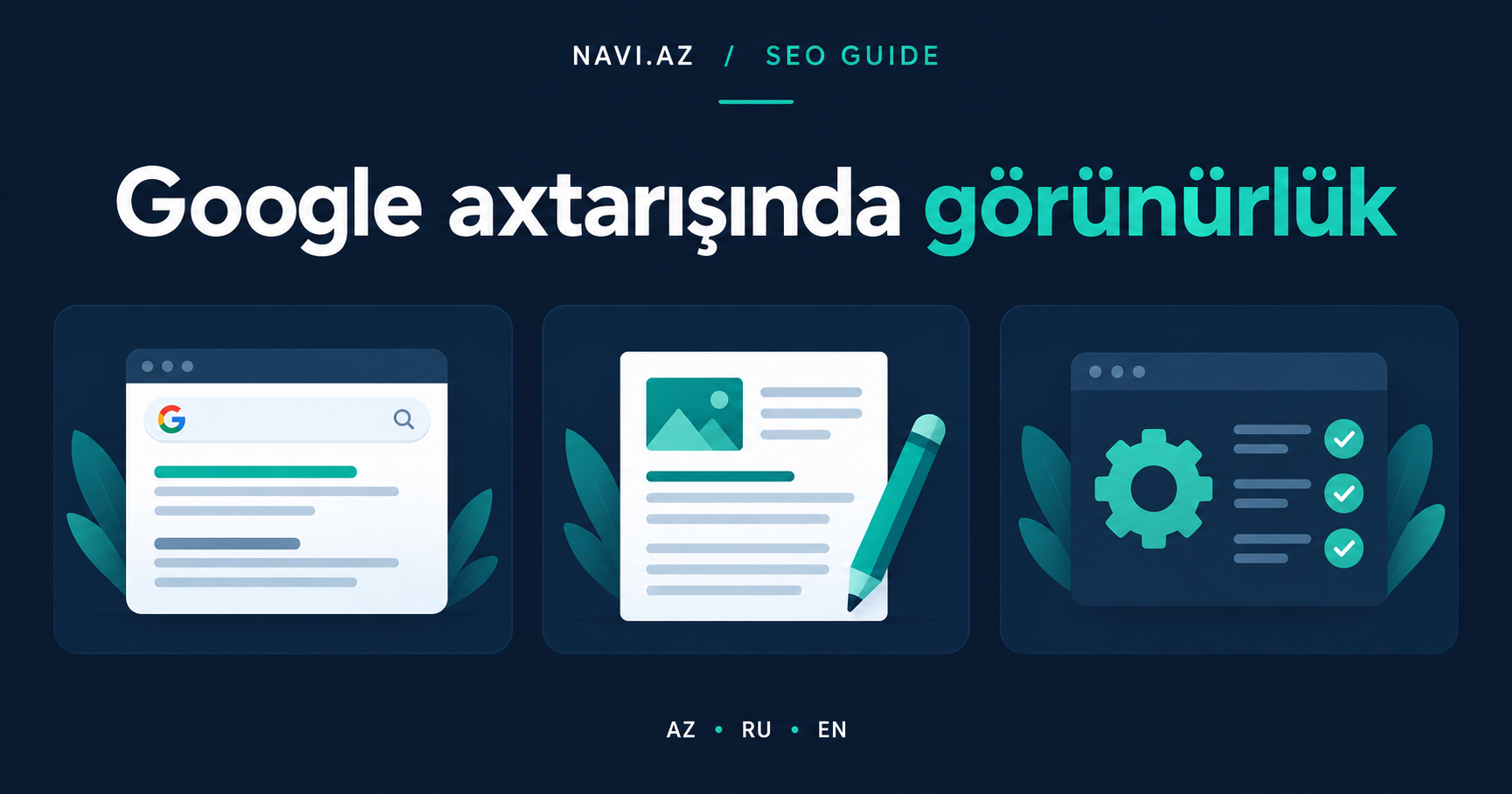
"How to rank #1 on Google" is one of the most searched questions in SEO, and the honest answer is more layered than most people expect. There is no single switch to flip - a ranking is the result of dozens of factors working together. This article breaks down what genuinely moves the needle and what to avoid.
1. Content that matches search intent
Google's first job is figuring out what the searcher actually wants. If your page answers that question clearly and usefully, your odds of ranking well go up. Often it is the small details competitors left out that make the difference.
2. Technical health
A slow-loading site, a poor mobile experience, or lingering technical errors can drag down even genuinely good content. The technical side is not an extra step, it is the foundation everything else sits on.
3. Trustworthy backlinks
When other sites link to yours, Google reads that as a signal of trust. Quality matters far more than quantity - a handful of links from reputable sites outweighs hundreds of low-quality ones.
4. User experience
If visitors land on a page and leave quickly, that can read as a negative signal. Clear navigation, a readable layout, and fast loading all help keep people on the page.
5. Expertise and trust signals
Especially in topics like finance or health, Google weighs how trustworthy the author and the site appear. Real author information, references to sources, and transparent contact details all matter here.
6. Consistency and patience
Optimizing once and forgetting about it does not work. Google's algorithm favors sites that stay current and get updated regularly. Reaching the top spot is typically a matter of months, not days.
7. When professional help is worth it
Competing for tough keywords takes an ongoing strategy, regular analysis, and adjustments along the way. At that point, working with an experienced team such as Sharaf Media's SEO services can speed things up considerably, especially when your own time is limited.
FAQ
Can anyone guarantee a #1 ranking on Google?
No. No agency or specialist can guarantee a specific position, because the algorithm keeps changing and competitors are working too.
How long does it take?
Depending on competition, the first results usually show up within 3-6 months, while a stable top position can take longer to establish.
Does paid advertising (Google Ads) affect organic rankings?
No, paid ads do not directly influence organic results - they appear in a separate section of the search results.